
Tackling pimples from the inside: how does that actually work?
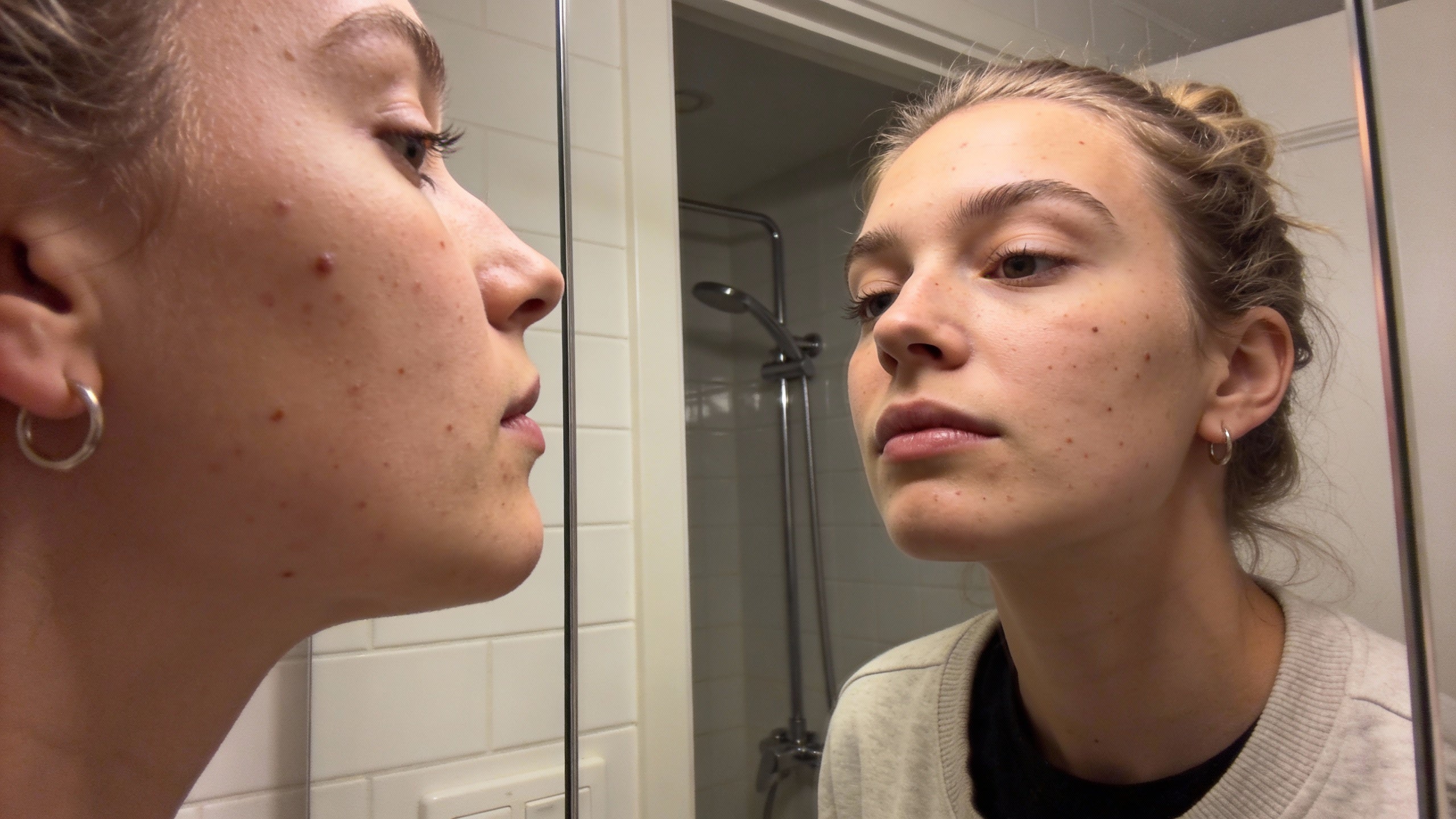
You know the drill: you bought another new serum. This time it has to work. You faithfully follow your skincare routine - cleanse, exfoliate, lubricate, repeat. And yet ... those pimples keep coming back. Especially at the times when you can least use them (hello job interview, hello first date). Frustrating is putting it mildly.
What many people don't know? Acne doesn't just appear on your skin. It's often a signal of what's inside going on. Think hormones acting up, inflammation racing through your body or nutritional deficiencies throwing your skin out of balance. You can apply as much oil as you want, but if the cause is under your skin, you're just muddling along.
In this blog, we dive into the science behind treating acne from the inside out. No vague detox stories or TikTok hypes, just facts. We explain step by step what happens in your body when you get pimples - and how you can make a lasting difference with the right food, supplements and knowledge.
Let's clear things up. Literally.
What actually causes acne?
Before we explain how to tackle acne from the inside out, we first need to understand what exactly acne is - and why it occurs. Because spoiler: it's not just "a little dirt on your skin."
According to dermatologists, acne stems from a combination of four factors that reinforce each other:
1. Overproduction of sebum (skin fat).
Your skin produces sebum to keep your skin supple and protected. But when your sebaceous glands produce too much - often under the influence of hormones such as androgens - your skin becomes unbalanced. The excess sebum accumulates in your pores.
2. Clogged pores
Dead skin cells are supposed to flake off on their own, but with acne they often stick to excess sebum. This clogs pores and causes blackheads or subcutaneous bumps.
3. Bacterial growth (Cutibacterium acnes).
In a clogged pore without oxygen, certain skin bacteria feel at home. The best-known culprit? Cutibacterium acnes (formerly: Propionibacterium acnes). This bacterium breaks down sebum and triggers an inflammatory response.
4. Inflammation
Your immune system reacts to the bacteria in your pores as if they were an enemy. It sends out white blood cells, leading to redness, swelling, pus - or in other words, an inflamed pimple.
But that's not the whole story....
Although the above factors take place locally in your skin, they are driven from the inside out. Consider:
- Hormone fluctuations
- An overactive immune system
- Chronic inflammation
- Poor nutritional status
In other words, the skin is often just the symptom carrier of a deeper problem. And this is precisely why an approach from the inside often does work permanently.
Why external treatment is often not enough
We totally get it. When you have pimples, you want to do something. Now. And preferably something you can rub on so that it will be gone tomorrow. So it makes sense that most people first try to fight their acne with creams, serums, toners and exfoliants.
But here comes the sore point: most external products only work on the surface .. They may temporarily improve skin texture, suppress inflammation or clear pores, but as long as the internal cause is not addressed, acne often keeps coming back.
Symptom relief instead of cause
Take benzoyl peroxide or salicylic acid, for example. Both substances are effective in killing bacteria and exfoliating dead skin cells. That helps - briefly. But they do nothing about why your skin is producing excessive sebum or why you are inflamed.
The same is true of many retinoids or medical ointments: they address the symptoms, not the biochemical imbalance behind them.
The skin is a mirror
In many ways, your skin is a mirror of your internal health. Hormonal fluctuations, inflammation, nutritional deficiencies, stress - all these factors send signals to your skin. And when these are out of balance, you often literally see it reflected in your mirror.
That also explains why some people continue to apply lotion endlessly, without lasting results. As long as you don't address the underlying problem, it's just a waste of time.
The role of inflammation in acne
When we talk about acne, most people think of hormones or oily skin. But what is often underestimated - or completely forgotten - is the central role of inflammation. In virtually all forms of acne, from blackheads to cystic pimples, inflammation plays a key role.
Curcumin, an active ingredient in turmeric, has anti-inflammatory properties that can help reduce acne-related inflammation.
What exactly is inflammation?
Inflammation is actually a defense mechanism of your body. When something threatens your body - think infection, injury or ... a clogged sebaceous gland full of bacteria - your immune system sends out white blood cells to fix the problem.
With acne, this is how it works:
- The pore gets clogged
- Bacteria such as C. acnes grow in it
- Your immune system reacts
- An inflammation develops: redness, swelling, heat and pus
But: that inflammation doesn't always stay localized. Sometimes your whole system is mildly inflamed - and it shows on your skin.
Chronic low-grade inflammation (and your skin)
A term you hear more often in science is low-grade inflammation. This is an ongoing, mild form of inflammation in your body often caused by:
- Ultra-processed foods
- Deficiencies in antioxidants
- Poor sleep
- Stress
- Disturbances in your gut flora
This internal inflammatory state increases your susceptibility to acne, because your immune system is already on edge. The result? Even a small blockage can turn into a bright red pimple.
Anti-inflammatories from within
And here's where it gets interesting. Research shows that certain nutrients can inhibit inflammation from the inside out - in a natural, safe way. Consider:
- Curcumin (from turmeric): works anti-inflammatory at the cellular level
- Omega 3 fatty acids: reduce systemic inflammation
- Vitamin C and E: protect against oxidative stress
- Zinc: helps calm the immune system
So a supplement containing these substances can not only tackle acne from the inside out - but also suppress the triggers that ignite your pimples like a flame in a powder keg.
Hormones and your skin: what happens on the inside
If you've ever noticed that your pimples especially pop up just before your period, during puberty or when stopping birth control, you already know: hormones and acne are close friends (or enemies, actually).
The role of androgens
The main hormonal player in acne is called androgen - a group of hormones that includes testosterone. Both men and women produce androgens, but during puberty or hormonal fluctuations, those levels can rise significantly.
What do androgens do?
- They stimulate the sebaceous glands To produce more sebum.
- They cause Thickening of the skin
- They increase the risk of clogging and inflammation
In other words, they create the perfect storm for pimples.
Why women often notice it around their cycle
Around ovulation and right before menstruation, estrogen levels drop while relative androgen levels rise. That explains that persistent "hormonal breakout" on your chin or jawline.
Acne in men
In boys and young men, testosterone levels are often structurally higher, especially during puberty. This is why you often see more and more persistent acne on their backs, shoulders and chests.
What can you do about it?
Although you cannot "turn off" hormones, you can support your body in regulating them. Science-based ingredients that play a role in this:
- Zinc: inhibits the conversion of testosterone into DHT, the form that activates acne
- Vitamin B5 (pantothenic acid).: helps normalize sebum production
- Vitamin A: regulates cell division and sebaceous gland function
- Adaptogens (such as ashwagandha, although not present in every formula): can dampen stress-related hormonal spikes
So you can see that hormonal acne can also be influenced from within - provided you use the right tools.
Nutrients your skin needs
Your skin is your body's largest organ - and just like your heart, brain or muscles, it needs nutrients to function properly. Without the right building blocks and protectors, your skin becomes dull, out of balance and prone to ... right, acne.
Let's take a look at some science-based nutrients that are essential for healthy skin - and specifically skin prone to pimples.
1. Zinc
Why Important.
Zinc is a mineral with powerful anti-inflammatory properties. It helps balance the immune system and reduces the growth of C. acnes bacteria. In addition, it regulates the production of sebum.
Research:
A 2020 systematic review concluded that zinc supplementation in mild to moderate acne can significantly reduce the severity of outbreaks (1). Zinc citrate and gluconate are particularly well absorbed.
2. Vitamin A (as retinyl acetate).
Why important.
Vitamin A plays a key role in the regulation of cell division in the skin. It prevents pores from becoming clogged and contributes to normal sebum production. Topically, it has been used for decades (as in tretinoin), but oral supplementation also supports the skin from the inside out.
Caution: High doses of vitamin A should be avoided during pregnancy.
3. Curcumin (from turmeric).
Why important.
Curcumin is one of the most highly researched natural anti-inflammatories. It inhibits NF-kB and other inflammatory pathways in the body, helping to suppress systemic inflammation - a major trigger for acne.
Research:
In a study published in BioMed Research International, curcumin was successfully used for inflammatory skin conditions, including acne (2).
4. Pantothenic acid (Vitamin B5).
Why important.
Vitamin B5 plays a role in fat metabolism and is essential for sebaceous gland function. It helps reduce excess sebum production without drying out the skin
Study:
In a 2014 placebo-controlled study, participants who took B5 for 10 weeks showed a significant decrease in acne lesions (3).
5. Selenium, Vitamin C & E
Why Important.
These antioxidants protect skin cells from oxidative stress, which plays a role in inflammation as well as aging. Selenium also helps support the natural immune response.
Are these deficiencies really that common?
Yes. Deficiencies of zinc, vitamin A and antioxidants are especially common among the young, vegetarians or people with a Western diet (lots of processed, little fresh) - with acne as a possible result.
A balanced diet helps, of course. But in many cases it is difficult to get enough through diet alone - especially if your body has been out of balance for a long time. And this is exactly why a targeted supplement is often not a luxury, but a smart strategy.
In the next part, we take a closer look at Cloudless itself: what ingredients we use, why we chose them, and how we translated the science into a formula that really works.
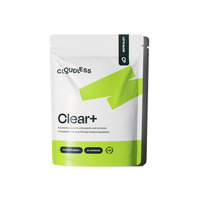
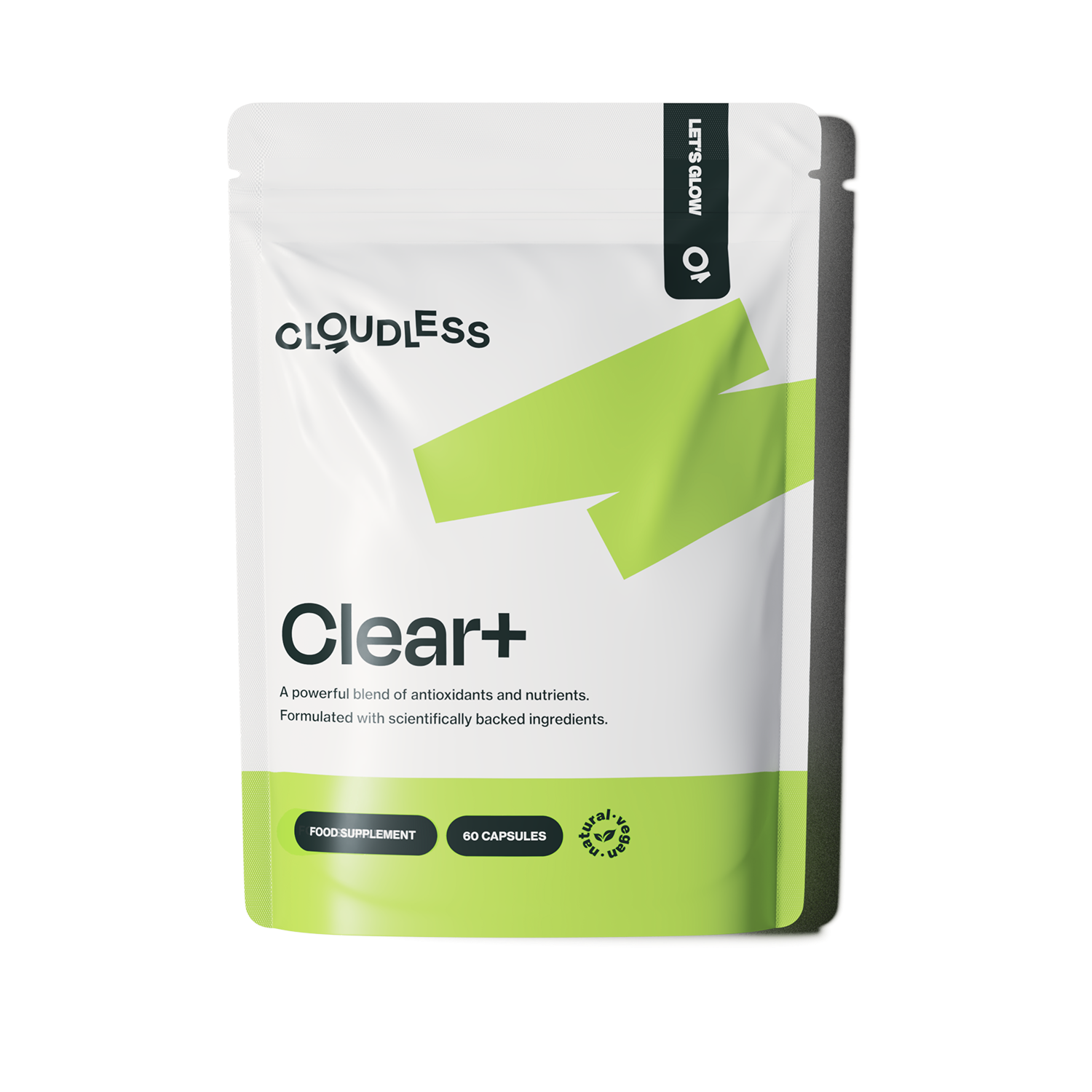
Cloudless as an internal solution: here's how it works
At Cloudless, we don't believe in quick fixes or magic powders. We believe in one thing: addressing the cause - from the inside out, with proven ingredients in effective doses. Our formula was born from a simple question: What does your skin really need to become pimple-free without upsetting its natural balance?
The answer? A combination of science, careful selection and ... no nonsense.
Focused on the cause, not the symptom
Instead of suppressing the skin from the outside, Cloudless focuses on the internal factors that cause acne:
- Inhibiting inflammation
- Support hormonal balance
- Normalize sebum production
- Replenish deficiencies that disrupt skin health
We do this with a powerful complex of ingredients that each play a distinct role in skin repair.
The science behind our ingredients
This formula includes:
- 200 mg of Mentha Spicata - anti-inflammatory, antioxidant
- Zinc (as zinc citrate) - sebum regulation, antibacterial
- Vitamin A - Supports normal skin cell renewal
- Pantothenic acid (high dosage) - regulates sebaceous glands
- Selenium & Vitamin E - protect skin cells
- Vitamin C & D3 - support immune system and skin repair
- BioPerine® (black pepper extract) - increases absorbability of curcumin
All ingredients have been chosen based on clinical studies and are included in dosages that have real effects - not just on paper.
Safety & Quality
Cloudless is produced in a certified Dutch facility. No fillers. No unnecessary additives. No compromises.
- Free of lactose, gluten, soy and artificial colors.
- Suitable for long-term use
- Full transparency about dosages
Why supplements work like Cloudless
A supplement is not a panacea - but if your body is structurally deficient or overstimulated, the right supplement can make the difference between lasting improvement or endlessly lubricating without results.
Cloudless doesn't supplement just anything. It resets your skin from the inside out, based on what science shows works.
Conclusion: tackling acne starts from within
Acne is not a superficial problem. It is the result of a complex interplay of hormones, inflammation, nutritional deficiencies and immune responses. And while creams and serums may help temporarily, they rarely address the real cause.
Your skin is a mirror of your insides. So if you really want lasting results - skin that's balanced, without constant breakouts - it's time to start on the inside.
With Cloudless, you're not opting for a quick fix. You're choosing a science-based approach that supports your skin at the cellular level. From the inside out. So that you not only see fewer pimples, but feel lighter, more confident and free in your own skin.